Importing furniture from Italy takes more than a freight quote. A Talenti set crosses customs under a tariff code, carries a declaration for its wood and a label for its cushions. Here is the paperwork in the order it comes up.
Importing furniture from Italy looks simple from the showroom: you pick a Talenti collection, you agree a price, and a truck arrives. Between those points the set crosses an ocean and a customs border, and each piece needs the right code and the right papers. We handle that part from Los Angeles. This is what happens.
The tariff code comes first
Customs in the United States sorts furniture into chapter 94 of its tariff schedule, the HTS. Seating takes heading 9401; most other furniture takes 9403. The code decides the duty, so the first job on any order is to classify each piece: a sofa module, a dining table, a lamp and a planter can land under different lines.
We do not print duty rates on this site. Rates on goods from the European Union move with trade policy, and a figure that is right today can be wrong by the time your terrace is ready. A licensed customs broker checks the code and the current rate for each of your pieces, and both go into the quote.
Most shipments pay two fees besides duty: the merchandise processing fee, a small share of the declared value, and for anything that comes by sea, the harbor maintenance fee.
The route
One order, from Amelia to the curb
-
1
Quote and order
pieces, finishes and a freight estimate in one figure
-
2
Built to order
the Amelia plant assembles and inspects the set
-
3
Paperwork
tariff codes, Lacey Act declaration, cushion labels
-
4
Ocean freight
harbor maintenance fee applies to sea shipments
-
5
Customs entry
duty and the merchandise processing fee paid at entry
-
6
Delivery
to your address, with the certificates on file
Wood needs a declaration
The Lacey Act reaches anything made from plants, wood included. Every shipment that contains wood travels with form PPQ 505 from the importer, giving the Latin name of every species used and the country where it was cut. That covers solid teak, and it covers hidden wood too, such as plywood or particleboard inside a piece.
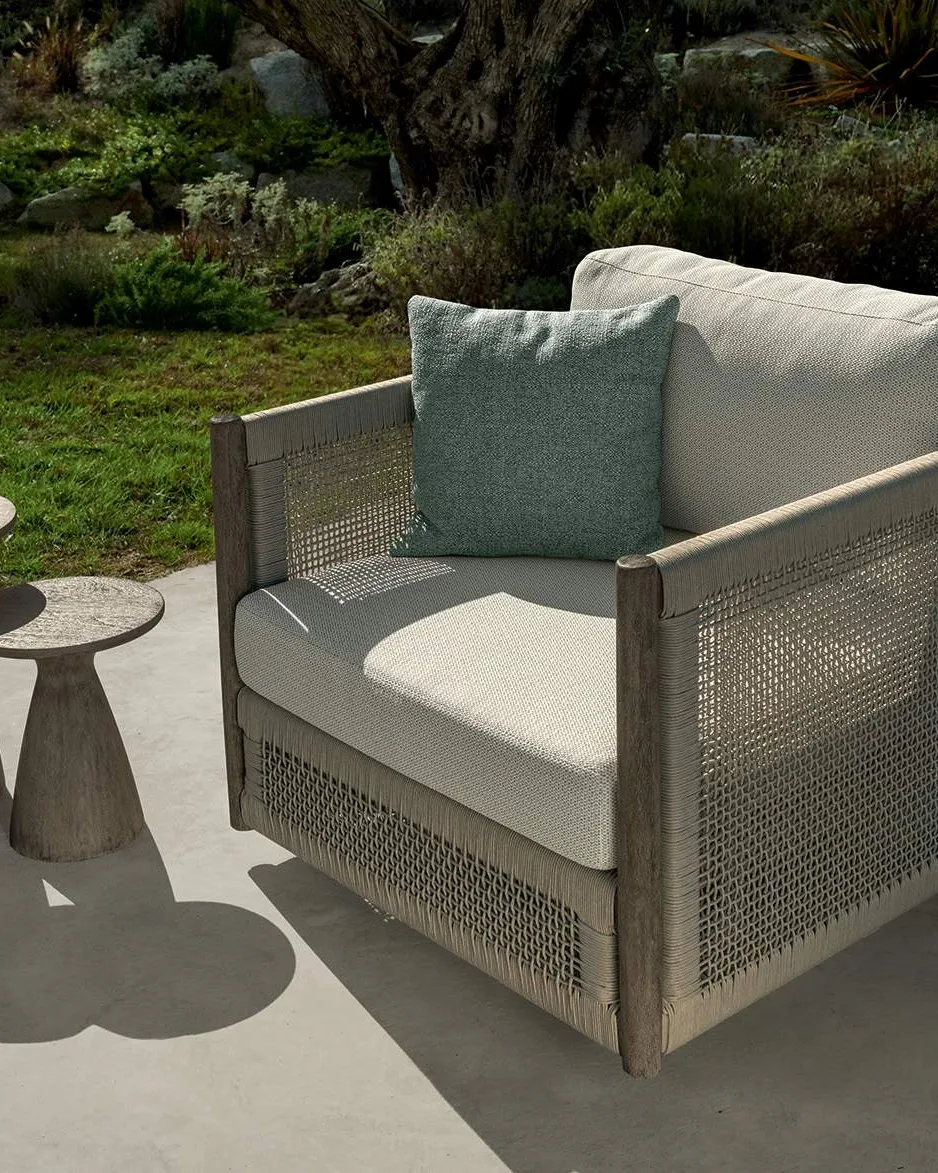
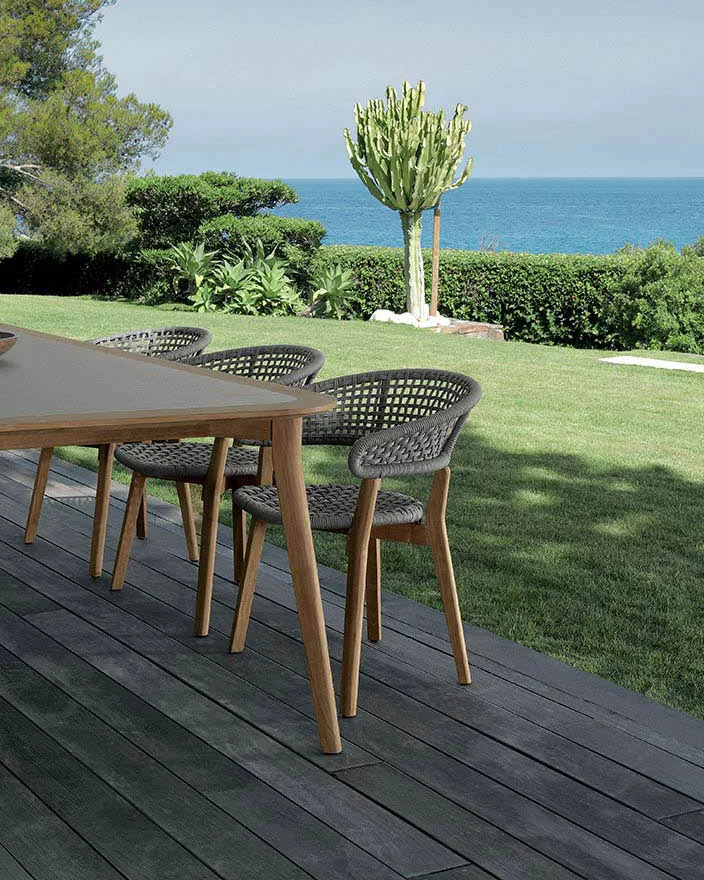
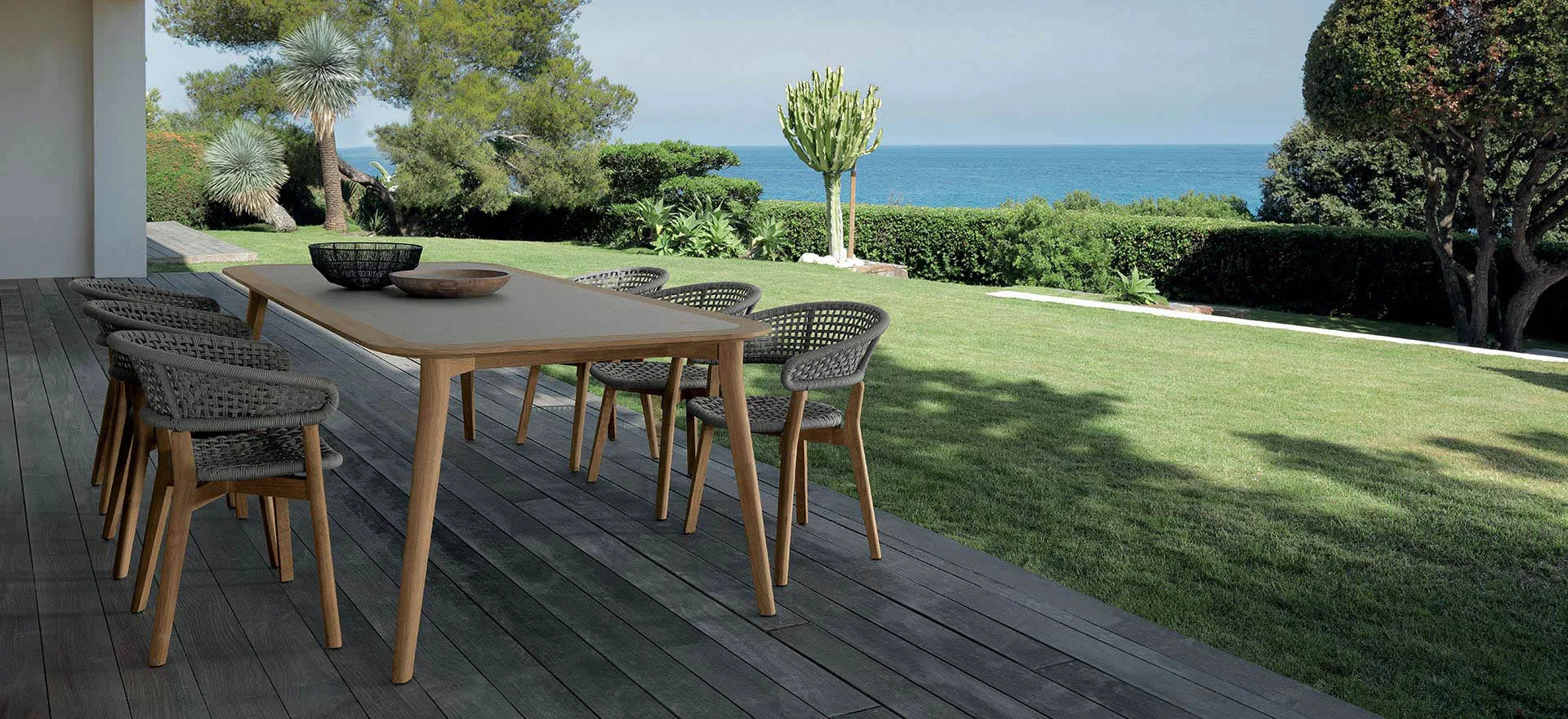
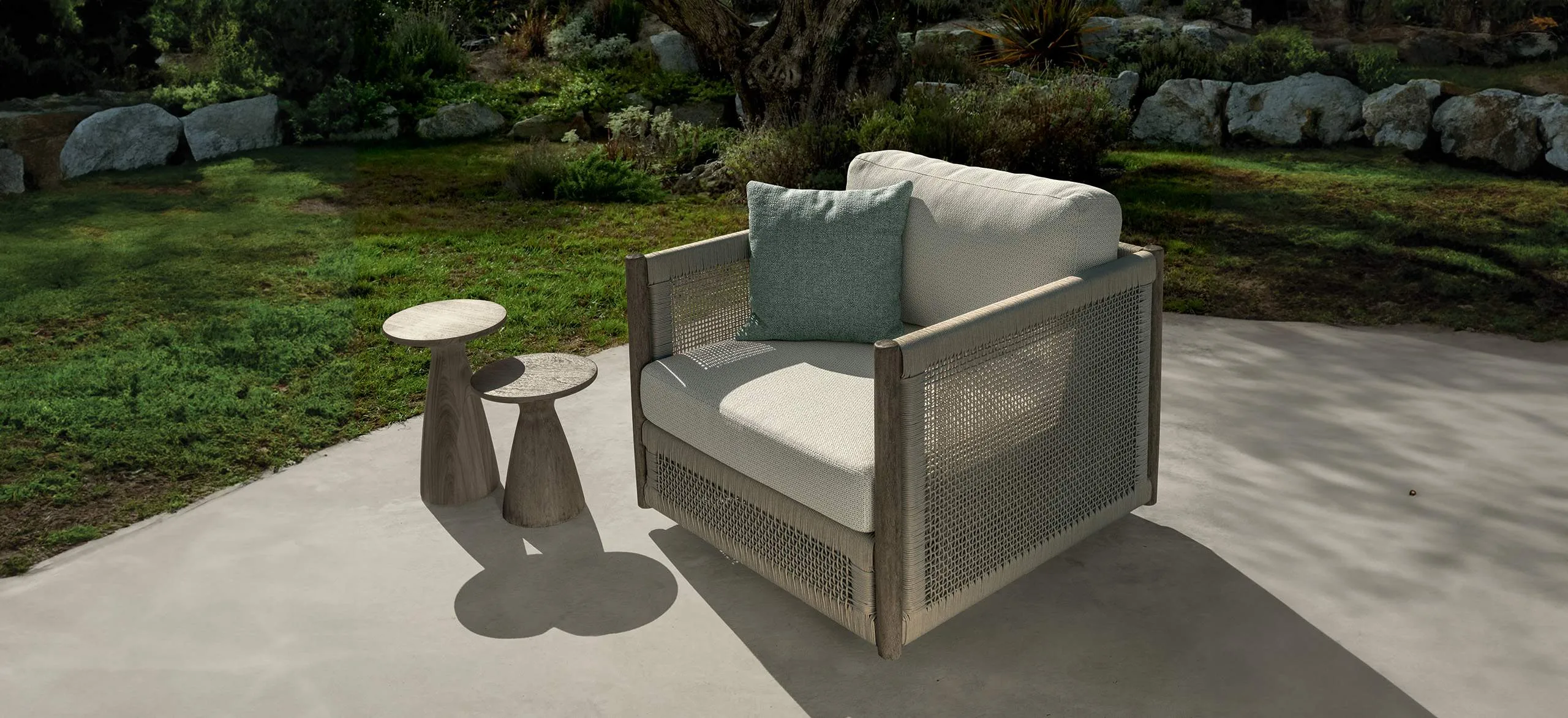
The Talenti Dolcevita collection shows why this matters. It mixes teak with steel and porcelain stoneware, and a dense weave of rope runs through the sofas, armchairs and loungers. The three seat sofa is 202 cm wide and the living armchair 85 cm. Each wooden part goes on the declaration, so we ask Amelia for the species data before the set ships. See the Dolcevita collection.
If a piece contains composite wood, the TSCA rule for composite wood adds a third party certificate and a label, and the records stay available for the EPA.
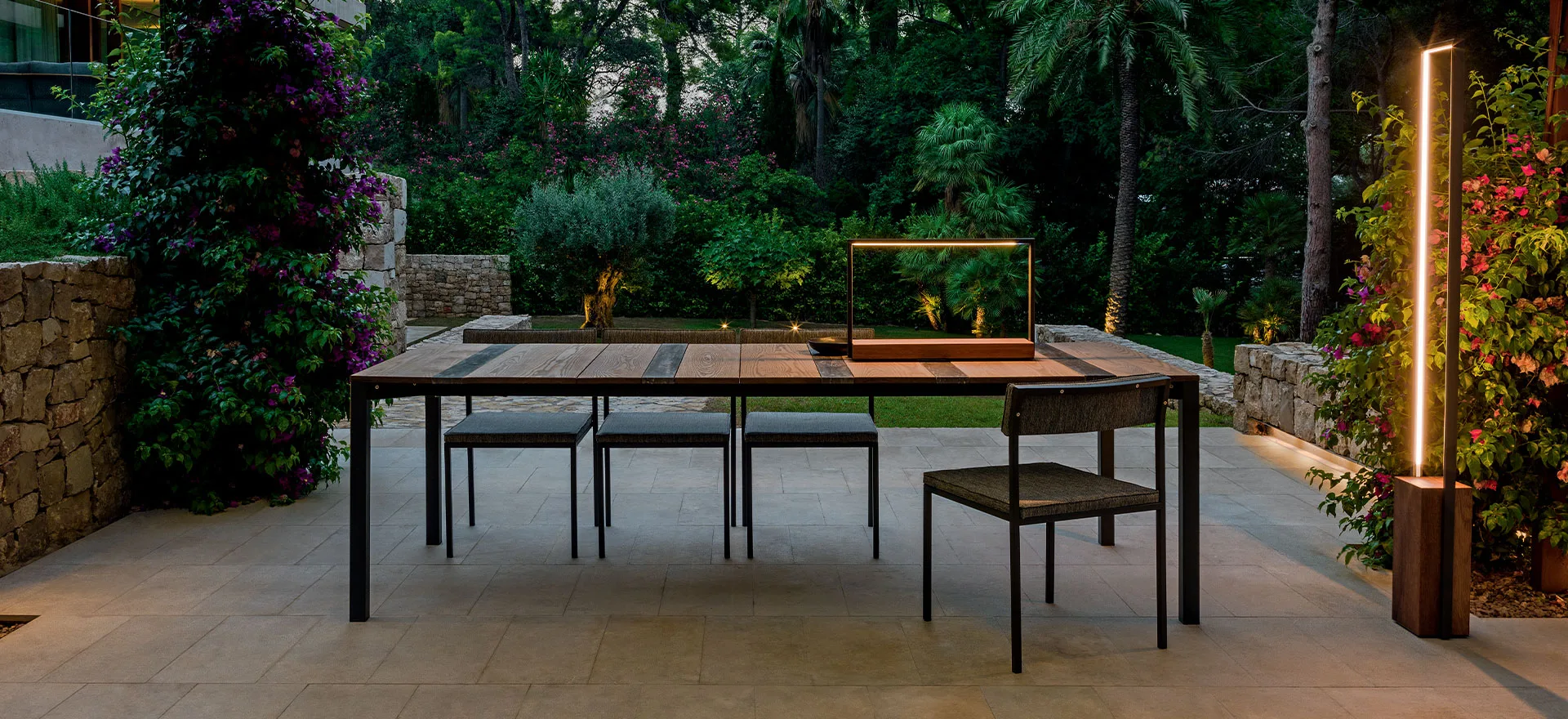
Talenti Casilda
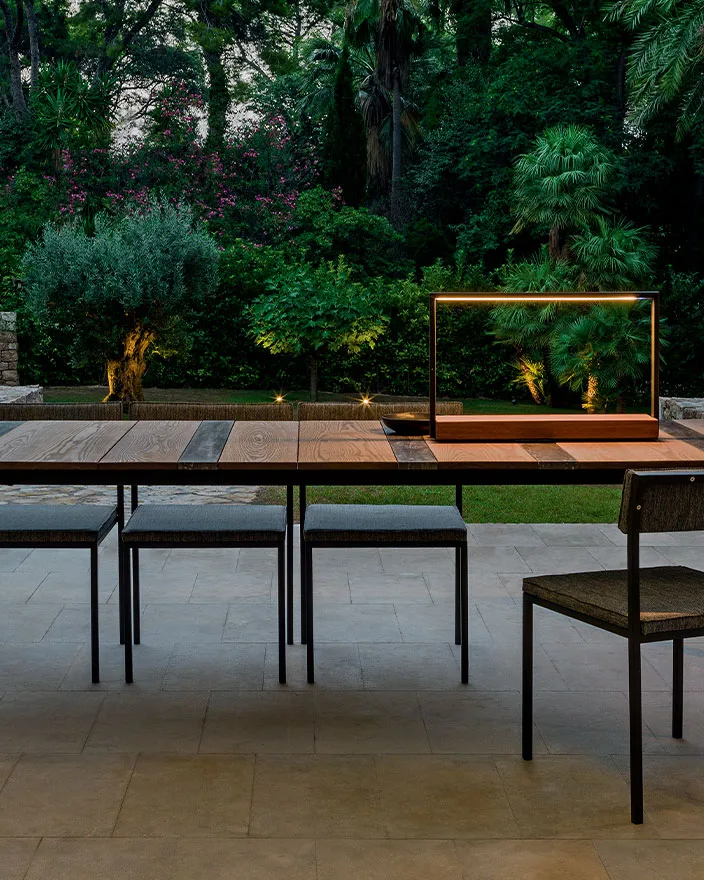
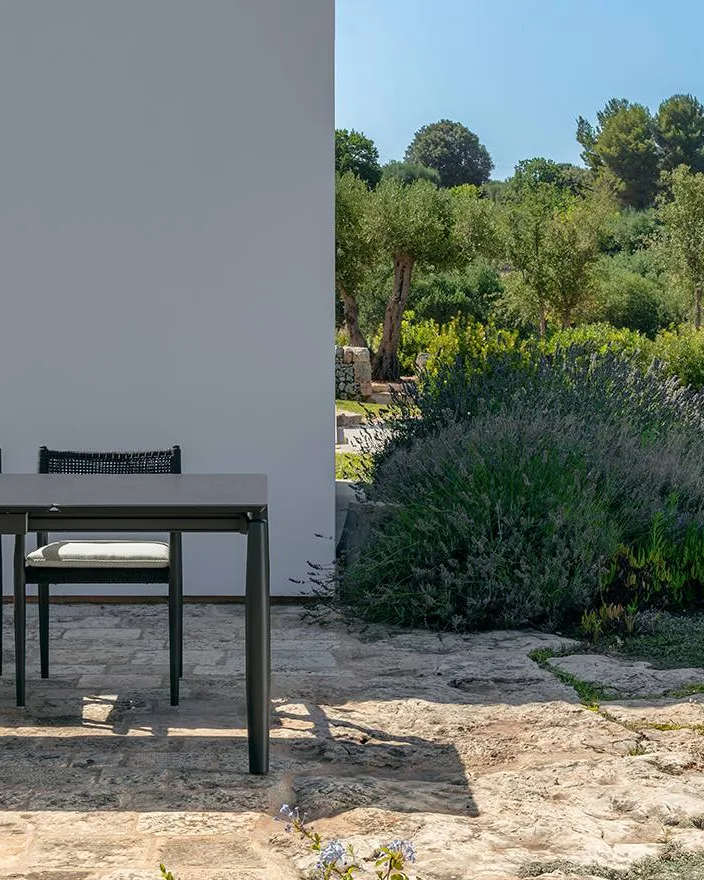
Talenti Casilda by Ramon Esteve. Stainless steel frames, marble on the tables, and fabric cushions that need their flammability label before they reach you.
Cushions carry a label
California's TB 117-2013 is the flammability standard for upholstered furniture, and in practice sellers across the country follow it. Sofas, armchairs, poufs and seat cushions need a permanent label at least 2 inches by 3, and the label has a box that says whether the maker added flame retardants.
The Talenti Casilda collection, drawn by Ramon Esteve, has a modular sofa, a living armchair, a pouf, a sunbed and a daybed, all on stainless steel frames. The cushions in that list need its label before it leaves the plant, so we confirm it with Amelia when we place the order. The tables use marble and stainless steel and need no label. See the Casilda collection.
Proposition 65 is the other California rule to know. If a product contains a listed chemical above the safe level, it needs a warning on the item or on the shelf beside it. We ask the factory for the material data and check it against the list.
Checklist
The paperwork, piece by piece
-
HTS chapter 94
- Applies to
- All furniture
- What it asks for
- 9401 for seats, 9403 for other furniture; the code sets the duty
-
Lacey Act, form PPQ 505
- Applies to
- Any piece with wood
- What it asks for
- Species and country of harvest for each wooden part
-
TB 117-2013
- Applies to
- Upholstered seating and cushions
- What it asks for
- Permanent label, at least 2 by 3 inches, with a flame retardant box
-
TSCA, composite wood
- Applies to
- Plywood or particleboard inside a piece
- What it asks for
- Third party certification and a label; records kept for the EPA
-
CPSC certificate
- Applies to
- Products under a CPSC rule
- What it asks for
- A certificate based on tests at an accepted lab
-
Proposition 65
- Applies to
- Pieces with listed chemicals
- What it asks for
- A warning on the product or at the point of sale
Duty rules move, so check at shipping
Two rules deserve a note. A separate duty on upholstered wooden seating applies to most countries, and the European Union sits among the exceptions; exceptions like that get reviewed. Refunds on some duties paid in 2025 and early 2026 may also be open to importers. Both move fast, and a broker checks both at the time of each shipment.
The piece itself does not change: Talenti builds it to order in Amelia, and the lead time comes from the factory with the quote.
Send us the order
Tell us the collection, the pieces and the delivery address. With the form below you get one figure back: the furniture, the freight, the duty and fees, and the paperwork above, handled before the set leaves Italy.